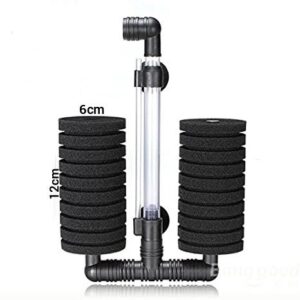
Description
What Is a Fish Trap? A Comprehensive Review of Fish Pond Traps: Functionality, Structure, Applications, and Technical Specifications
A fish trap is a piece of equipment used in aquaculture and fish pond management to gather, separate, and harvest fish from the rearing environment. Unlike methods that require draining a significant portion of the pond water or extensive netting to harvest the entire stock, the proper use of a trap enables controlled fish harvesting.
In aquaculture, the harvesting stage is considered a crucial part of the production cycle; the selection of an appropriate method must take into account factors such as fish species, fish size, pond volume, stocking density, water management practices, and the specific harvesting objective. The Food and Agriculture Organization (FAO) of the United Nations identifies harvesting as a key activity in fish pond management, highlighting methods such as netting, pond draining, and the use of specialized harvesting equipment.
A fish trap is a mechanical device or structure designed to guide and capture fish within a specific area. The trap is constructed so that fish can easily enter the chamber, yet cannot exit as readily as they entered.
The method of attracting fish can vary depending on the type of trap. Some traps operate based on the fish’s natural behavior and water flow patterns, while others utilize bait and are designed for specific species or conditions.
In aquaculture applications, the choice of trap must be based on the harvesting objective and the characteristics of the fish, as a single design is not suitable for all species, sizes, and pond conditions.
How does a fish pond trap work?
The operating principle of a fish trap is relatively simple, yet the proper design of the entrance and the choice of installation location are crucial.
In a typical setup, fish enter the trap’s interior through an opening or entry channel. The design of this entry path guides the fish into the chamber while making it difficult for them to exit once inside.
For models that utilize water flow to guide the fish, the direction and velocity of the current are particularly important. Under certain conditions, fish of many species tend to swim with the current or gravitate toward water inlets and outlets. Consequently, in some aquaculture systems, harvesting equipment is positioned near water outlets or controlled flow channels.
In contrast, baited traps utilize food attraction to guide fish into the chamber.
Thus, the trap’s operation can be broken down into several stages:
1. Guiding or attracting the fish
2. Entry of the fish into the chamber
3. Prevention of easy escape
4. Controlled accumulation of fish
5. Removal of fish from the trap
6. Transfer of fish to a tank, pond, or processing facility
Key Components of a Fish Trap
The precise structure of a fish trap depends on its model and intended use, yet the design typically incorporates several main components.
Main Body or Frame
The body constitutes the trap’s primary structure, responsible for maintaining its geometric shape and ensuring mechanical strength.
The material used for the body must be suitable for a wet environment and capable of withstanding constant or intermittent contact with water. Using unsuitable materials can lead to corrosion, deformation, breakage, or a reduced service life for the equipment.
Fish Collection Chamber
The internal chamber is the section where fish are held after entering.
The dimensions of this section must be appropriate for the expected capacity. If the chamber volume is too small relative to the number of fish, overcrowding can lead to increased stress, reduced dissolved oxygen levels, and physical injury.
This factor is crucial in harvesting operations; specialized aquaculture resources emphasize the importance of minimizing overcrowding and limiting the time fish are held within the trap.
Trap Opening or Entrance
The entrance is one of the most critical elements of the design.
The shape, diameter, dimensions, and positioning of the entrance must be configured to allow the target fish to enter the trap while minimizing the likelihood of escape.
In some designs, the entrance is constructed in the shape of a funnel or an inverted cone. This design is employed in many fish traps to create a distinction between the entry and exit paths.
Netting or Mesh
In models that utilize netting, the mesh size is of great importance.
If the mesh size is too large, small fish may escape. If it is too small, water flow is restricted, and clogging occurs more rapidly.
Therefore, the choice of mesh should be based on:
- Fish species
- Fish size
- Harvest objective
- Water flow velocity
- Fish density
- Environmental conditions
Attachment and Anchoring Points
The fish trap must remain fixed in the desired location. Constant movement of the trap in the water can reduce performance, harm the fish, or even allow the fish to escape the system.
Depending on the design, ropes, clamps, frames, hooks, mounts, or other anchoring methods are used.

How are fish trap dimensions determined?
One of the most important questions when purchasing a fish trap is selecting the right size.
A larger trap is not necessarily the better choice; dimensions should be selected based on actual usage conditions.
The key parameters include:
Trap Length
Length affects internal volume, the fish’s path of movement, and holding capacity.
Increasing the length can boost the chamber’s volume, but it also makes transporting, installing, and emptying the trap more difficult.
Width and Height
These two parameters directly influence internal volume and the amount of space available to the fish.
In small ponds, using a very large trap may not be practical, whereas for large ponds or high-volume harvests, greater capacity becomes more important.
Entrance Size
The size of the entrance must be appropriate for the dimensions of the target fish.
If the opening is too small, large fish will not enter; if it is too large, controlling the entry and exit of the fish becomes more difficult.
Mesh Size
The mesh size should be selected to retain the target fish while allowing for an acceptable level of water circulation.
What does fish trap capacity mean?
Fish trap capacity refers to more than just the number of fish that can fit inside.
In practice, a distinction must be made between the trap’s physical volume, the number of fish, the weight of the fish, and the duration of confinement.
A trap might physically accommodate a large number of fish, yet be unsuitable for holding that many fish for an extended period.
In a confined environment, increased fish density can affect water quality, dissolved oxygen levels, and fish stress. Consequently, operational capacity should be determined more conservatively than purely geometric capacity.
Therefore, when assessing the capacity of a fish pond trap, it is advisable to clarify the following points:
- Volumetric capacity
- Weight capacity
- Approximate number of fish
- Average weight per fish
- Duration of trap deployment
- Water flow rate
- Rapid emptying capability
For which types of ponds are fish traps suitable?
Fish traps can be used in various aquaculture and aquatic holding systems; however, the specific model and method of use must be compatible with the type of pond.
Fish-rearing ponds
In fish-rearing ponds, traps can be used to harvest a portion of the fish or to manage the population.
Earthen ponds
In earthen ponds, the placement of the trap and the path of water flow are particularly important.
The presence of vegetation, sediment, sludge, and suspended matter can affect the trap’s performance.
Concrete Pools
In concrete pools, controlling water flow and the placement of equipment is generally simpler, allowing traps to be positioned at specific locations.
Breeding and Rearing Pools
In certain systems where fish sizes vary, the trap can be utilized as part of the sorting or harvesting process.
Main Uses of Fish Traps
The application of a fish trap depends on its design, but the most important uses include:
Fish Harvesting:
Collecting fish for sale or transfer.
Staged Harvesting:
In certain systems, a portion of the fish population can be removed rather than harvesting the entire stock.
Fish Sorting:
With an appropriate design, fish can be managed based on size or other specific criteria.
Population Control:
In ponds requiring periodic harvesting, traps can serve as a tool for population management.
Transfer to Holding Tank:
Harvested fish can be transferred to a holding tank or a transport system.
Traps and nets are also recognized as common harvesting tools in aquaculture; however, the choice of method should be based on the fish species and the harvest volume.
What factors affect the performance of a fish trap?
The performance of a trap does not depend solely on the quality of its construction.
Even a well-designed trap may not perform optimally if installed in an unsuitable location.
The most important factors are:
- Fish species
- Fish size
- Fish density
- Pond depth
- Water temperature
- Oxygen level
- Water flow
- Trap placement
- Inlet size
- Mesh size
- Trap deployment duration
- Fish attraction method
- Trap cleanliness
For this reason, a single trap model cannot be considered suitable for all projects without first assessing the pond conditions.

Duration of Trap Placement in the Pond
A key factor when using a trap is the length of time the fish remains inside the chamber.
This duration is not a fixed value applicable to all situations; it depends on the trap type, fish density, water flow, water temperature, and the species being farmed.
In traps with limited water circulation, prolonged retention can lead to a deterioration in water quality within the chamber.
Therefore, during use, one must monitor for signs such as overcrowding, reduced fish activity, or changes in water conditions.
Academic aquaculture resources also warn that keeping fish in the trap for extended periods—particularly where water exchange is restricted—can result in oxygen depletion and an increased risk of mortality.
Advantages of Using Fish Traps
Key advantages of fish traps include the following:
Controlled harvesting
Allows for phased harvesting under suitable conditions.
Reduced need for extensive operations
In certain applications, fish can be collected without the need for large-scale netting operations.
Suitability for selective harvesting
With proper design, the trap can be used to isolate specific segments of the fish population.
Relatively simple installation and retrieval
Portable models can be installed when needed and removed after operations are complete.
Reusability
With proper construction and maintenance, the trap can be used across multiple production cycles.
Limitations of Fish Traps
Like any other piece of equipment, fish traps have limitations.
First, their performance depends on fish behavior and pond conditions.
Second, a trap with limited capacity cannot replace large-scale harvesting equipment in all situations.
Third, if a large number of fish are confined within the chamber, the water quality inside the trap may deteriorate.
Additionally, clogging of the mesh by algae, sludge, leaves, suspended matter, or other particles can restrict water flow.
Therefore, a fish trap is a specialized tool for a specific application, not a universal solution for all harvesting methods.

Why must the trap’s capacity match the size of the fish?
If the size of the entrance, the mesh, or the internal space is not suited to the target fish, the trap’s effectiveness diminishes.
For instance, excessively fine mesh may restrict water flow, while mesh that is too coarse might allow smaller fish to escape.
Therefore, the choice of trap should be based on the target fish rather than solely on the size of the pond.
Is a fish trap suitable for harvesting all the fish in a pond?
Not in every situation.
If the goal is to harvest a very large volume of fish, methods such as netting, controlled draining, or a combination of equipment may be more appropriate.
Fish traps are most valuable when controlled, phased, or selective harvesting is required.
Frequently Asked Questions About Fish Traps
What is a fish trap used for?
A fish trap is used for the controlled collection and harvesting of fish from ponds or other aquaculture environments.
Is a fish trap suitable for fish farming ponds?
Yes, but the type of trap must be appropriate for the fish species, fish size, pond conditions, and the specific harvesting objective.
Can a fish trap harm the fish?
Harm can occur if the trap is selected or used incorrectly. It is crucial to choose the right mesh size, prevent overcrowding, and minimize the time the fish spends inside the trap.
Can a fish trap be used in an earthen pond?
Yes, depending on the trap’s design and the pond’s conditions. The installation site and water flow path should be inspected prior to use.
Is a single trap suitable for all fish sizes?
No. The entrance size, mesh, and capacity must be matched to the target fish.
Does a fish trap replace a net?
Not in all situations. Traps are suitable for certain types of controlled harvesting, but nets or other harvesting methods may be more appropriate for large-scale harvests.
Summary: What to Consider When Buying a Fish Trap?
A fish trap is a practical tool for fish harvesting and management in aquaculture systems. Its effectiveness depends on factors such as the trap’s design, entrance size, body material, mesh type, capacity, installation location, and pond conditions.
To select the right pond fish trap, it is best to first determine the fish specifications and pond conditions, and then choose the equipment based on appropriate dimensions and capacity.
Furthermore, price should not be the sole criterion when purchasing a fish trap. Factors such as material quality, mesh size, entrance structure, actual capacity, unloading method, installation process, and ease of maintenance should all be taken into account.
When purchasing a fish trap online, obtaining precise technical specifications is particularly important, as it is not possible to physically inspect the product before placing an order.
Ultimately, if the intended use is professional and long-term, selecting a genuine fish trap with clear technical specifications—tailored to the actual conditions of the pond—is a more logical approach than choosing a product based solely on appearance or price.
Kian Abzi Company can provide detailed specifications for each model based on the actual product—including dimensions, capacity, material, mesh type, and installation requirements—ensuring that the equipment selected aligns with the project’s actual needs.