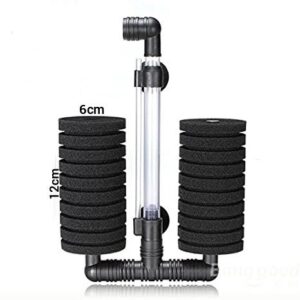
Description
Hydraulic Aeration device: A Specialized Solution for Oxygen Supply and Water Quality Improvement in Fish Farming Ponds
In aquaculture device, water quality is a critical factor influencing the health, growth, and performance of fish. Among the various water parameters, dissolved oxygen holds particular importance, as fish and other aquatic organisms rely on the oxygen present in the water for respiration and the maintenance of vital functions.
Higher stocking densities in a pond lead to increased oxygen consumption; without adequate circulation and aeration, there is a greater risk of dissolved oxygen depletion and the development of unfavorable conditions for the aquatic life.
In such circumstances, the use of appropriate equipment for aeration and water circulation becomes crucial. Hydraulic aeration systems are among the tools that can be utilized in the design of aquaculture systems to enhance air-water exchange and better manage the rearing environment.
As a specialist manufacturer of aquaculture ponds, Kian Abzi understands the requirements of fish farming systems and the importance of proper equipment design; consequently, the company facilitates the selection and supply of equipment tailored to specific project conditions.
What is a hydraulic aeration system, and how does it supply the oxygen required by aquatic organisms?
Aeration in aquaculture refers to a set of processes designed to enhance gas exchange between water and air and to supply the oxygen required by the culture environment. Hydraulic aerators utilize water flow and movement to increase the water-air interface, thereby facilitating more effective oxygen transfer into the water.
In a fish farming pond, water is not merely a holding medium; it is the primary habitat for the aquatic organisms, and fluctuations in water quality can directly impact the success of the farming operation. Consequently, ensuring proper water circulation and preventing the formation of zones with adverse conditions are crucial aspects of pond management.
The performance of the aeration system must be determined based on water volume, the type of aquatic species, stocking density, water temperature, and other project conditions. For this reason, no single model or capacity can be considered suitable for all fish farming ponds.
Why is controlling dissolved oxygen in fish farming ponds one of the most important factors for success in aquaculture?
Dissolved oxygen is considered a key parameter in water quality management for fish farming ponds. Fish rely on dissolved oxygen in the water for respiration, and excessive depletion can compromise the conditions necessary for their normal biological activity.
Oxygen consumption within the pond depends on various factors. The number and size of the fish, feeding rates, the biological activity of aquatic organisms, water temperature, and organic matter levels are among the factors that can influence oxygen status.
In high-density aquaculture systems, oxygen management becomes increasingly critical, as a greater amount of the oxygen present in the water is consumed by the aquatic organisms and biological processes.
For this reason, the aeration system should not be viewed merely as an auxiliary component; rather, it must be an integral part of the overall aquaculture system design.
What applications does a hydraulic fish farm pool aerator have in aquaculture systems?
Hydraulic fish farm aerators can be utilized in systems requiring enhanced air-water exchange and improved water circulation.
A key application of this equipment is in fish farming ponds with varying stocking densities. As the density of aquatic stock increases, the need for precise water quality management grows, and aeration equipment can play a vital role in this process.
This device can also be used in conjunction with prefabricated aquaculture tanks; however, the specific type of device and the required capacity must be determined based on the tank’s actual specifications and the specific rearing conditions.
In a well-designed system, aeration must be coordinated with other system components—such as water volume, water circulation patterns, inlet and outlet systems, and the specific requirements for maintaining the aquatic species.
How does a hydraulic aeration system enhance oxygen exchange and ensure proper water circulation in the pool?
The fundamental principle behind aeration systems is to create favorable conditions for the transfer of oxygen from the air to the water. The more effective the contact established between the water and the air, the better the conditions for gas exchange.
In hydraulic aeration devices, water movement and flow play a crucial role in this process. Water movement generates turbulence and increases the water-air contact surface, thereby creating more favorable conditions for oxygen transfer.
On the other hand, water circulation helps ensure a more uniform distribution of environmental conditions throughout the pool. In a pool lacking proper circulation, certain areas may exhibit different conditions compared to others.
Of course, the actual performance of any system depends on its design and capacity, the specific pool conditions, and the manner of installation and operation. Therefore, the selection of equipment should be based on the project’s actual requirements.

What impact does the use of a hydraulic aeration device have on water conditions and the fish farming environment?
The primary objective of using aeration equipment is to better manage water conditions and supply the oxygen required by the culture system. Proper aeration can help increase dissolved oxygen levels and improve water circulation.
The benefits that can be expected from the correct design and use of an aeration system include:
- Helping to supply the oxygen required by aquatic organisms
- Improving water circulation within the pond
- Reducing the likelihood of low-oxygen zones
- Helping to make water conditions more uniform
- Improving water quality management in the culture system
- Facilitating the management of higher-density ponds, within equipment capacity limits
- Creating more favorable conditions for the natural activity of aquatic organisms
However, it should be noted that the aeration system alone is not responsible for all water quality parameters. Factors such as temperature, pH, ammonia, organic matter, feeding, and the management of water exchange or circulation must also be controlled simultaneously.
What features should the best hydraulic aeration system for a fish farming pond have?
Selecting the best hydraulic aeration system cannot be based solely on price or appearance. The optimal choice for any project is a unit that aligns with the specific conditions of the aquaculture system in question.
To make the right choice, factors such as water volume, pond dimensions and depth, the aquatic species, fish count and weight, stocking density, water temperature, and required circulation rates must be evaluated.
The build quality of the equipment is also of great importance. A device used in a humid environment and in constant contact with water must be of high quality, featuring durable components and ease of maintenance.
Proper installation is equally crucial. Even high-quality equipment may fail to deliver the expected performance if installed without regard for the pool’s design and water circulation system.
For this reason, when purchasing, one must consider not only the device itself but also its usage, installation, maintenance, and technical support.
What factors should be considered before purchasing to select the appropriate capacity for a hydraulic aeration unit?
One of the most critical steps prior to purchasing a hydraulic aeration system is determining the required capacity. The appropriate capacity for a pond cannot be determined solely based on its physical dimensions.
Factors such as water volume, the number and weight of aquatic organisms, the species being farmed, fish stocking density, water temperature, water inflow and outflow rates, and water circulation conditions can all influence the requirements of the aeration system.
For instance, two ponds of similar volume may have different aeration requirements due to variations in fish density or water circulation conditions.
Therefore, it is recommended that a specialist assess the pond specifications and rearing conditions before ordering the unit, ensuring that the equipment selected aligns with the project’s actual needs.
What factors determine the price of a hydraulic aeration system, and why is it impossible to set a fixed price for all projects?
One of the first questions customers ask when evaluating equipment concerns the price of the hydraulic aeration unit. However, the final price can vary depending on the model, capacity, required equipment, and project conditions.
Factors such as required capacity, the quality and type of components, auxiliary equipment, the number of units needed, and installation conditions can all influence the final cost.
For this reason, quoting a fixed price without reviewing the project specifications could lead to an incorrect choice. For a small-scale project, using equipment with excessive capacity can result in unnecessary costs, whereas for a high-density project, selecting a unit with insufficient capacity will fail to yield the desired results.
To obtain a price quote for a hydraulic aeration system, it is best to provide experts with details regarding the pond specifications, water volume, and farming conditions so that a product tailored to the project’s specific needs can be recommended.

Do not purchase a hydraulic aerator for a fish farming pond before reviewing these important points.
Purchasing aquaculture equipment without assessing the actual conditions of the pond can lead to increased costs and reduced system efficiency.
A common mistake is selecting equipment based solely on price. A cheaper product is not necessarily more cost-effective in the long run; factors such as build quality, actual capacity, lifespan, serviceability, and suitability for the farming system must also be considered.
Another error is choosing equipment without regard for fish stocking density. The aeration requirements of a pond with a low fish population differ from those of a high-density pond.
Attention should also be paid to the pool design. Factors such as equipment placement, water circulation paths, and access for servicing are best determined before the equipment is installed.
Therefore, before purchasing a hydraulic aeration unit, it is advisable to review the project specifications in full and then select the appropriate equipment.
Why is the coordination of the hydraulic aeration system with the design of the prefabricated fish farming pool so important?
In an aquaculture system, various pieces of equipment must operate in coordination with one another. The pond, water inlet and outlet channels, circulation system, aeration equipment, and other components must be designed according to the project’s specific requirements.
This is particularly important for prefabricated ponds. If an aeration unit is installed without regard for the pond’s dimensions, water depth, and circulation patterns, the device’s full capacity may not be utilized effectively.
Coordinating the equipment from the design stage can facilitate optimal layout, easier access for maintenance, and improved water circulation.
For this reason, considering the pool and its equipment with an integrated approach from the outset enables a more precise design of the rearing system.
What is the function of a hydraulic aerator in a shrimp farming pond, and why is its use important?
In shrimp farming ponds, maintaining water quality and supplying the oxygen required by the aquatic life are of great importance. As shrimp density and biological activity within the pond increase, oxygen consumption rises; without adequate circulation and aeration, water conditions may become unsuitable for the continued farming process. By generating proper water movement and circulation, the hydraulic aerator for shrimp ponds enhances the contact between water and air, thereby improving the oxygen exchange process.
The selection of an aeration system must be tailored to the specific conditions of the pond. Factors such as water volume, shrimp density, pond depth, water temperature, and water circulation patterns play a key role in determining aeration requirements. Consequently, using a system with an unsuitable capacity will not yield optimal results; it is best to select equipment based on the project’s specific specifications.
Why is Kian Abzi the right choice for the design and outfitting of aquaculture ponds?
Kian Abzi specializes in the production of aquaculture ponds; by focusing on the design and construction of ponds for aquaculture systems, the company provides solutions tailored to specific project requirements. In a properly designed aquaculture system, the pond and its auxiliary equipment must be selected and designed in coordination with one another to ensure precise management of water and rearing conditions.
When selecting aeration equipment, factors such as pond specifications, the type of aquatic species, and farming conditions are crucial. By evaluating these factors, Kian Abzi can provide guidance on choosing equipment that is well-suited to your specific farming system. If you are planning to set up or expand a farm for fish, shrimp, or other aquatic species, seeking professional advice before purchasing equipment can help ensure a more precise selection and minimize costs associated with unsuitable gear.
Why can choosing Kian Abzi for the supply of aquaculture equipment and ponds serve as an integrated solution for your project?
Kian Abzi operates within the aquaculture infrastructure sector, specializing in the design and construction of prefabricated aquaculture ponds.
Understanding pond structure and the requirements of the cultivation system enables a more effective assessment of project-related equipment. Consequently, the selection of aeration equipment is not based solely on individual product specifications; rather, the overall system conditions are also taken into account.
When selecting equipment, factors such as pool volume, rearing conditions, stocking density, and water circulation methods must be considered to ensure the chosen product aligns with the project’s actual requirements.
If you are planning to set up or expand a fish farming system, evaluating the pool and the equipment simultaneously can simplify and refine the decision-making process.

Technical specifications of the hydraulic aeration unit and information you should know about the product before ordering.
The technical specifications of the hydraulic aeration unit should be provided in accordance with the specific model and version of the product. Key factors to consider when selecting this device include operational capacity, installation conditions, connection method, material composition, maintenance requirements, and compatibility with the aquaculture system.
Since capacity selection depends on specific project conditions, it is advisable to obtain detailed technical specifications from Kian Abzi when requesting a price quote or placing an order.
Providing accurate and reliable specifications enables the customer to compare the product against their system’s requirements and make a more informed purchasing decision.
What are the steps for ordering and purchasing a hydraulic aerator from Kian Abzi?
The process of purchasing a hydraulic aeration system should begin with an assessment of the project’s actual requirements.
In the first stage, details regarding the pond and the aquaculture system are evaluated; factors such as water volume, pond dimensions, the type and density of aquatic species, and other relevant variables are determined.
Subsequently, the required equipment capacity and type are established, and information regarding the product and costs is provided to the customer.
Once the order specifications and terms are confirmed, the product preparation and delivery processes are carried out.
This approach ensures that the device is selected based on the system’s actual requirements, thereby reducing the likelihood of purchasing unsuitable equipment.
Frequently Asked Questions About Hydraulic Aerators and Selecting One for Fish Farming Ponds
What is a hydraulic aeration device?
A hydraulic aeration device is a piece of equipment designed to facilitate water aeration and circulation; it aids in the transfer of oxygen into the water by creating favorable conditions for contact between the water and the air.
What is the function of a hydraulic fish farm aeration device?
This device is used to help supply dissolved oxygen and improve water circulation in aquaculture systems. The appropriate capacity and model should be selected based on the specific conditions of each project.
What is the price of a hydraulic aeration unit?
The price depends on the model, capacity, required equipment, and project conditions. To obtain an accurate quote, it is best to evaluate the specifications of the pond and the aquaculture system.
How do you choose the best hydraulic aeration unit?
The best unit is one that aligns with the water volume, aquatic stock density, and aquaculture system conditions in terms of capacity, build quality, and operational performance.
Does the volume of the pond affect the choice of aeration equipment?
Yes. Water volume is a key factor in determining aeration system requirements; however, factors such as aquatic stock density, water temperature, and water circulation conditions must also be considered simultaneously.
Does fish density affect the choice of aeration equipment?
Yes. An increase in the number and biomass of aquatic organisms typically leads to higher oxygen consumption; consequently, stocking density is a crucial factor in the design of the aeration system.
Is a hydraulic aeration system suitable for prefabricated ponds?
With proper selection and installation, this equipment can also be used in aquaculture systems featuring prefabricated ponds. The compatibility of the device with the pond’s design and conditions must be assessed.
What information is required to purchase a hydraulic aeration system?
Information such as pond volume and dimensions, water depth, the type of aquatic species, fish count or stocking density, water circulation conditions, and the type of farming system may be needed to select the appropriate equipment.

Consult with Kian Abzi experts to select and purchase a hydraulic aeration system suitable for your aquaculture pond.
Selecting the appropriate aeration system is a crucial aspect of designing and managing aquaculture ponds. The right choice must be based on actual pond conditions, water volume, stocking density, and specific system requirements.
If you are looking to purchase a hydraulic aeration system for your fish farm, you can share your project specifications with Kian Abzi experts to determine the capacity and equipment best suited to your system’s needs.
Contact Kian Abzi for consultation, a project needs assessment, and price inquiries regarding hydraulic aeration systems.